

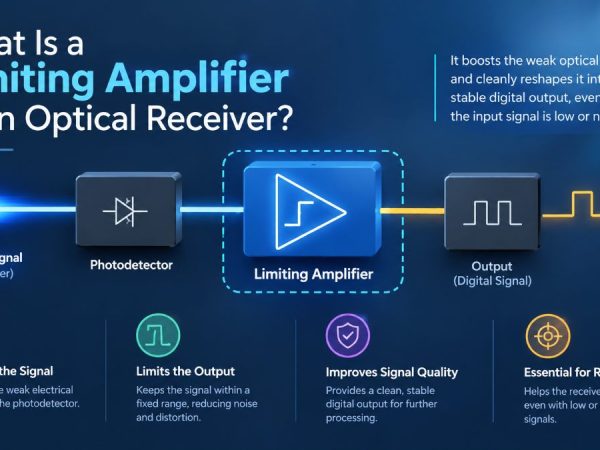
What Is a Limiting Amplifier in an Optical Receiver?
A limiting amplifier is a high-speed amplifier that boosts a received electrical signal and limits its output amplitude to a relatively consistent level. In an optical receiver, it is commonly
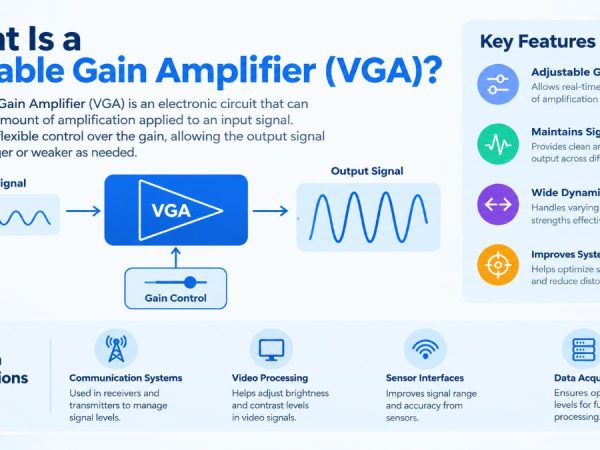
What Is a Variable Gain Amplifier (VGA)?
A variable gain amplifier (VGA) is an electronic circuit that changes its amplification level in response to a control signal. It allows a system to handle input signals of different
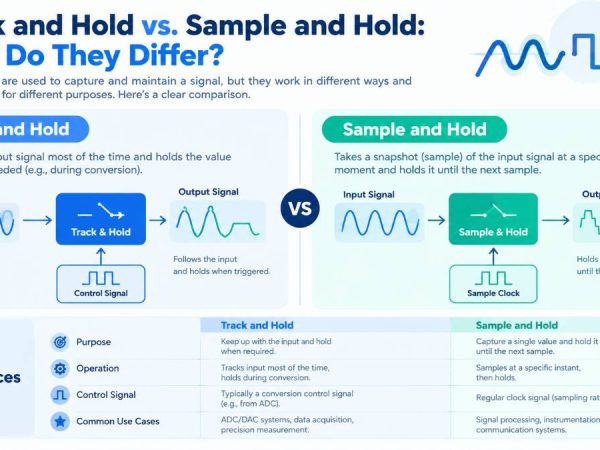
Track and Hold vs. Sample and Hold: How Do They Differ?
Track-and-hold and sample-and-hold circuits help electronic systems capture an analog signal and keep its voltage stable for measurement or conversion. They are used in data acquisition, analog-to-digital conversion, oscilloscopes, and
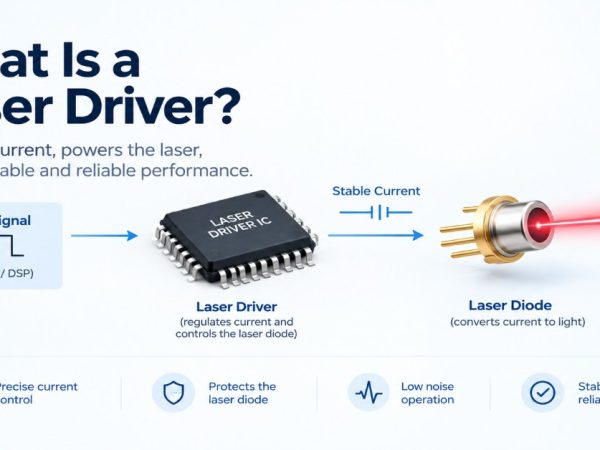
What Is a Laser Driver?
A laser diode cannot be connected directly to a high-speed data source and expected to produce a clean optical signal. Its current has to be controlled within a defined operating
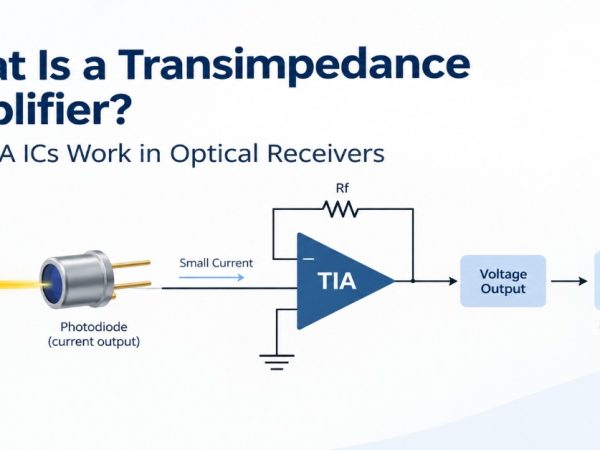
What Is a Transimpedance Amplifier? How TIA ICs Work in Optical Receivers
A transimpedance amplifier, or TIA, converts the current produced by a photodiode into a voltage signal that can be processed by the rest of an optical receiver. This makes the
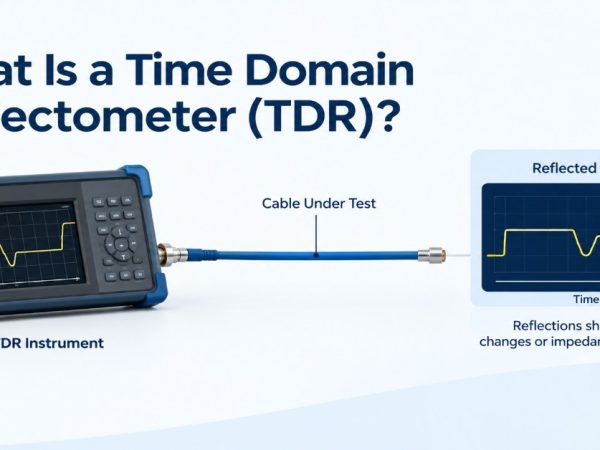
What Is a Time Domain Reflectometer (TDR)
A Time Domain Reflectometer (TDR) is a test instrument or circuit used to locate impedance changes along a transmission line. It sends a fast electrical signal into the line and
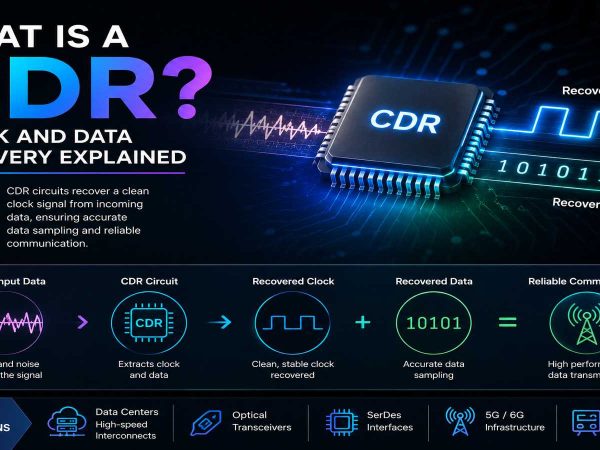
What Is a CDR? Clock and Data Recovery Explained
High speed serial links cannot reliably interpret incoming data unless the receiver knows when to sample it. A clock signal is not always transmitted separately, so the receiver has to
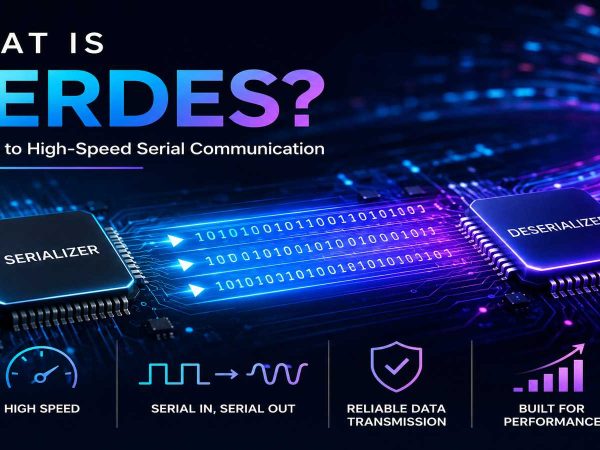
What Is SerDes? A Guide to High-Speed Serial Communication
Modern electronic systems need to move more data without continually increasing the number of physical connections between chips. SerDes, short for serializer/deserializer, addresses that problem by converting data between parallel
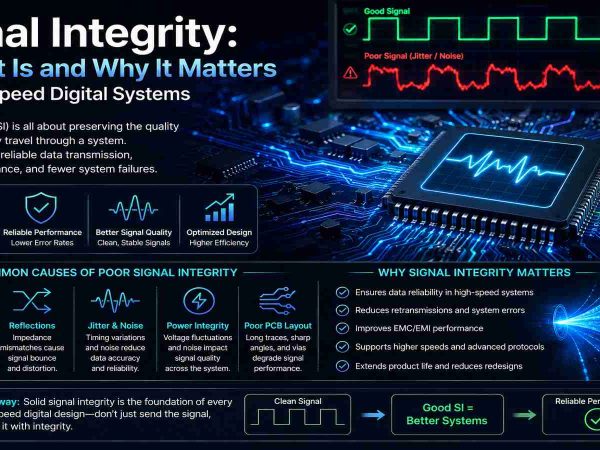
Signal Integrity: What It Is and Why It Matters in High-Speed Digital Systems
As digital systems move to higher data rates, the electrical path between a transmitter and receiver becomes increasingly difficult to treat as a simple wire. PCB traces, packages, connectors, vias,

PAM4 vs NRZ: Which Signaling Method Should You Choose?
As Ethernet speeds move from 25G and 50G to 100G, 400G, 800G, and beyond, choosing the right signaling method becomes one of the earliest design decisions in any high-speed communication